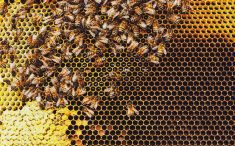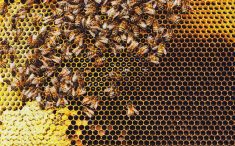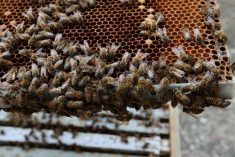


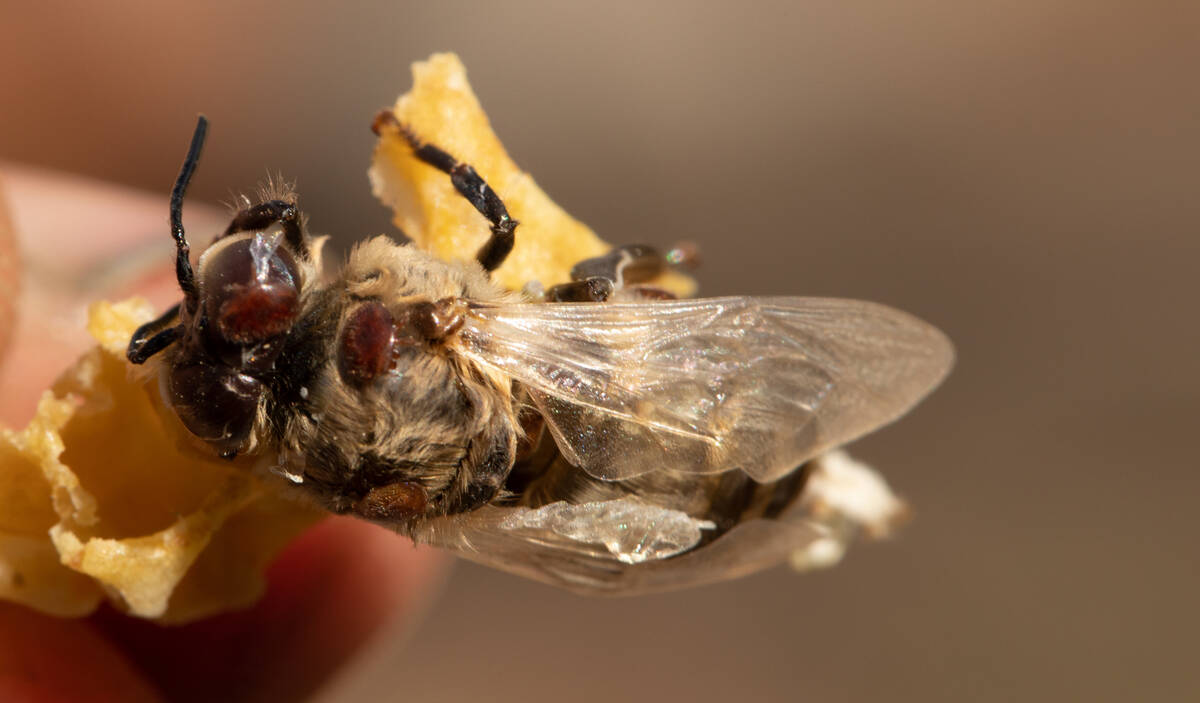
Locally-adapted southern California honeybees show signs of resistance to varroa mites, according to a recent study from the University of California Riverside.
“We kept hearing anecdotally that these Californian honeybees were surviving with way fewer treatments. I wanted to test them rigorously and understand the driving force behind what the beekeepers were seeing,” said Genesis Chong-Echavez, a UCR graduate student and lead author of the study, in an article from the university.
Read Also

OPINION: Understanding how plants pause and restart growth can help develop climate-resilient crops
Scientists are working to understand the genetic factors that control plant growth so they can be used to develop crops that handle weather stress like drought, heat and frost.
WHY IT MATTERS: Varroa mites can devastate Canadian beekeepers’ hives, and go-to control methods have become less effective, leading producers to look for new methods to protect honeybees.
Varroa mites are an invasive parasite that has plagued North American beekeepers since the late 1980s. The mites weaken the bees by feeding on their fat stores, and also can carry viruses. Varroa mites are a consistent contender among the top four causes of winter bee loss in Canada, as noted by the Canadian Association of Professional Apiculturists.
Chong-Echavez’s team found bee colonies led by locally-raised Californian hybrid honeybee queens had about 68 per cent fewer mites, on average, than hives with commercial queens.
While these populations were not entirely varroa mite-free, they were more than five times less likely to hit the threshold at which chemical treatment is necessary.
Local bee larvae attract fewer mites
The resistant bees came from a genetically-mixed population established in southern California — often from “feral” colonies living in trees, the UC Riverside article said. They were found to have mixed ancestry steming from African, eastern European, Middle Eastern and western European genetics.
Varroa mites must enter bee brood cells to reproduce. In lab experiments with developing honeybee larvae, researchers found mites were less attracted to the locally-adapted bees than commercial bees.
“What surprised me most was the differences showed up even at the larval stage,” Chong-Echavez said. “This suggests the resistance mechanism may go deeper than some kind of behaviour and may be genetically built into the bees themselves.”
The research team next intends to investigate the signals that may make the locally-adapted larvae less attractive to mites.