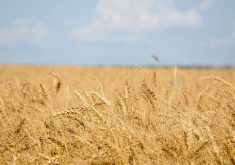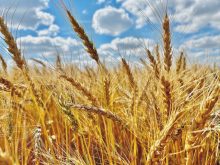

CNS Canada — There weren’t a lot of acres planted to winter wheat in Western Canada this fall due to the late harvest of many other crops — but what was seeded looks good as it heads into dormancy.
“The fields that are there look good, just we have no clue how much there is,” said Jake Davidson, executive director of Winter Cereals Canada.
Acreage of winter wheat is most likely down from last year, according to Davidson. In the fall of 2013, 1.13 million acres of winter wheat were seeded across Western Canada, Statistics Canada data show.
Read Also
AAFC projects tighter canola stocks for 2026-27
Canadian canola carryout supplies at the end of the upcoming 2026-27 marketing year will be tighter than earlier projections, according to updated supply and demand estimates from Agriculture and Agri-Food Canada, released April 17.
“We have years where we do 650,000 acres a province, and we have years where we do 200,000 acres,” he added. “We’re a lot closer to 200,000 acres (a province) this year.”
Moisture conditions have been very good for the crop’s development, as there have been regular rains throughout the fall. Winter wheat fields are also getting a nice slow move into winter so far, which is beneficial, Davidson said.
Recent forecasts for winter weather on the Prairies call for more “normal” temperatures and precipitation — but what matters for winter wheat is how much snow cover there will be to protect the crops.
“The big thing with winter wheat is it needs four to six inches of snow cover that stays there. Once you get over that, it can be -40 C and it isn’t that cold along the ground,” Davidson said.
As long as crops are covered by a permanent snowpack by mid-December, and there are no freezing rain storms covering the ground with ice before then, winter wheat crops should be in good shape heading into the spring.
“Then you sit and you wait for what (weather) you get for spring,” Davidson said.
— Terryn Shiells writes for Commodity News Service Canada, a Winnipeg company specializing in grain and commodity market reporting.