
The U.S. Food and Drug Administration (FDA) has dropped Archer Daniels Midland’s canola crushing plant in Windsor, Ontario from its list of plants that are under import restrictions due to salmonella concerns, easing measures that sharply cut Canadian shipments of the livestock feed to its biggest export market.
The FDA removed the Windsor plant from its posted import-alert list, which flags plants for concerns about salmonella bacteria in animal feed, according to an update on the regulator’s website Dec. 28.
Plants on the list are under restrictions that allow U.S. inspectors to detain shipments without physically examining them.
Read Also
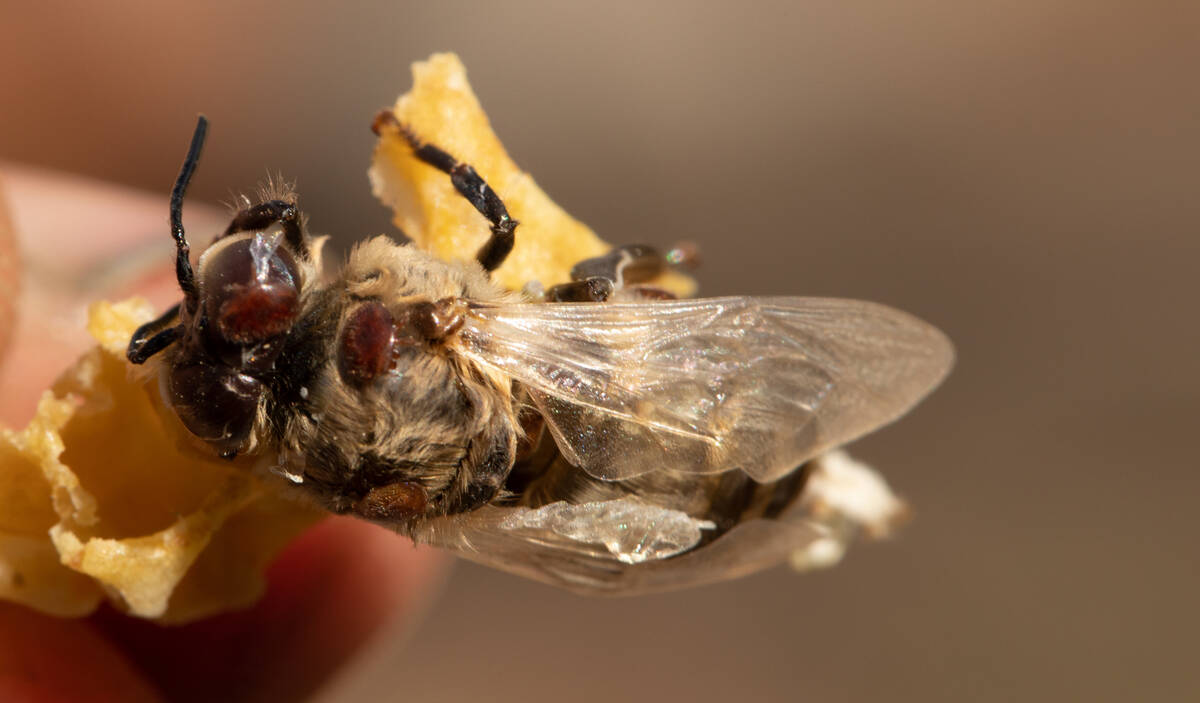
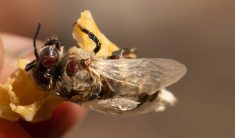
Southern California honeybees show resistance to varroa mites
Regionally-adapted honeybees in southern California show natural resistance to varroa mites, according to new research from University of California Riverside.
A spokesman for ADM could not immediately comment.
Canada’s canola meal exports to the United States, its top export market, fell 35 per cent year over year to 1.1 million tonnes in 2009-10 when as many as seven major Canadian plants faced restrictions.
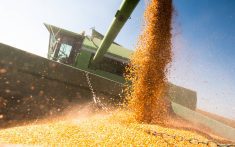
Canada is the world’s top exporter of canola, which is crushed mainly for its oil. Canola meal, a byproduct of crushing, depends largely on demand from United States dairy farmers.
Salmonella can cause food-borne illness in humans. However, canola meal is shipped to the United States for use in livestock feed.
FDA restrictions remain in place against an ADM canola plants in Lloydminster, Alberta, and one owned by Viterra Inc. in Manitoba, according to the FDA.