
Researchers on a project in India and Bangladesh say they hope it will greatly reduce their lentil imports.
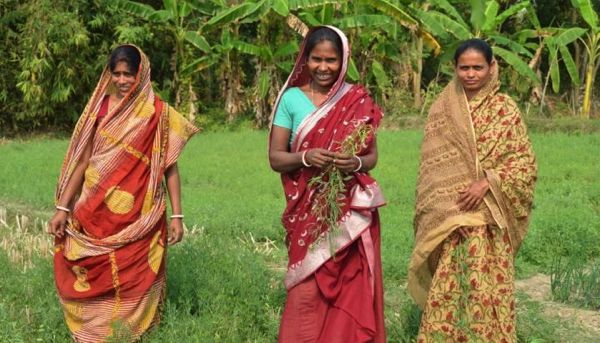
Farmers in the project are growing lentils in fields left fallow after rice harvests, with the help of a research and training project by the International Center for Agricultural Research in the Dry Areas (ICARDA).
In a release following a nine-day tour of some of the project sites, officials said the push for lentils could help usher in the next “green revolution” in this part of the world.
Read Also
AAFC projects tighter canola stocks for 2026-27
Canadian canola carryout supplies at the end of the upcoming 2026-27 marketing year will be tighter than earlier projections, according to updated supply and demand estimates from Agriculture and Agri-Food Canada, released April 17.
“In West Bengal alone, five to six districts specially have high potential for this approach to lentil production and can substantially save foreign exchange spent on lentil imports”, said Purnendu Basu, minister of agriculture for West Bengal, the main rice-growing state in India.
Even though India is the world’s largest producer of lentils, it relies heavily on imports and bought 53 per cent of its needs in 2013.
ICARDA legume breeder Shiv Kumar Agrawal said the double cropping is being made possible with shorter-season and higher-yielding varieties resistant to common diseases, and extensive training of rice farmers in managing lentil crops.
The ICARDA release said the approach has already proven its potential in Bangladesh. Lentil cropping has spread to more than 85 per cent of rice fallow land in the country, bringing in an additional annual income of US$26.6 million.
“In South Asia region, there is a substantial area under rice farming but the land is left fallow sometimes even up to six months every year,” said Ashutosh Sarker, ICARDA’s South Asia regional program co-ordinator. — AGCanada.com Network