

In a bid to reduce wildfire damage, the province of B.C. is looking for help from its ranching community.
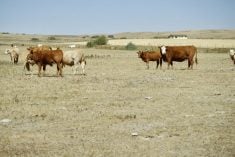
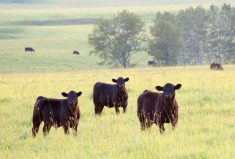
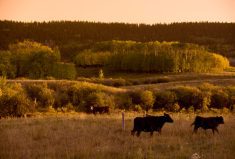
The B.C. Cattlemen’s Association (BCCA) recently received a $500,000 wildfire management grant from the province to develop projects that will reduce fine fuels through intensive grazing in high-risk areas, CCA Action News reports.
The program will see BCCA work with the ministries of Agriculture, Forest, Lands and Natural Resource Operations and Rural Development, Wildfire Branch, local governments, First Nations, ranchers and other stakeholders to identify critical areas.
Read Also
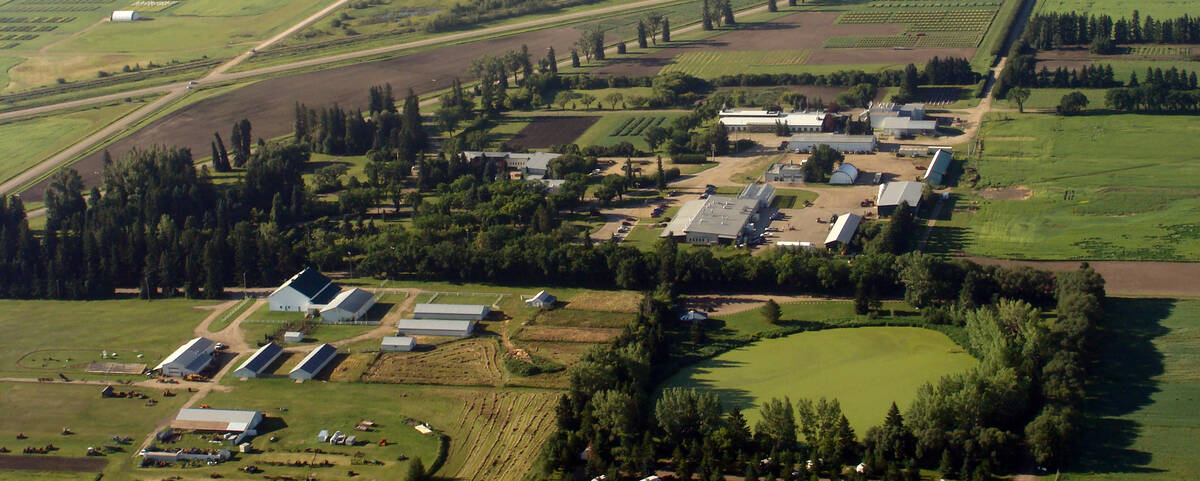
Beef industry warns research cuts will set sector back for decades; CCIA outlines traceability prep
The CCA calls federal research centre closures a long-term threat to beef science while the CCIA details upcoming traceability reporting rules.
“This is an excellent opportunity to show society the value of cattle and the very positive effect that they have on our environment, making that beautiful landscape what it is because of our management practices, not in spite of them,” said Kevin Boon, general manager of BCCA.
While rangeland grazing aims to remove less than 50 per cent of forage and grass, fine-fuel management is designed to reduce plants and woody fuel sources by over 70 per cent. The goal is to prevent fires from igniting and remove ladder fuels such as shrubs.
Managing timber density, using existing corridors such as power or pipelines and using natural fire barriers may also be used with grazing to reduce the chances of fires igniting or to create zones firefighters can use to mount a defense.
BCCA see five factors as key to the project’s success: timing, intensity, infrastructure, public interaction and cattle