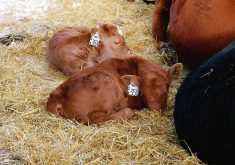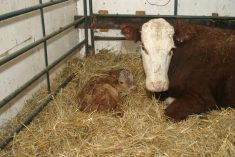



Last month’s column laid out some of the recommended practices that 11 large-scale research studies said were the most effective for reducing preweaning death loss in beef calves worldwide. More than half of those research studies were done in Canada, but only three of those Canadian studies had been done in the past 20 years. Canada is a large place, and herd sizes and calving dates have shifted over the past two decades. So, which calving practices work best for Canadian cow-calf producers in 2026?
Claire Windeyer of ACER Consulting and coworkers from the University of Calgary and Western College of Veterinary Medicine surveyed producers participating in the Canadian Cow-Calf Surveillance Network (C3SN) to identify on-farm practices that reduced the risk of scours, pneumonia and mortality outbreaks in Canadian beef calves.
What they did
Read Also
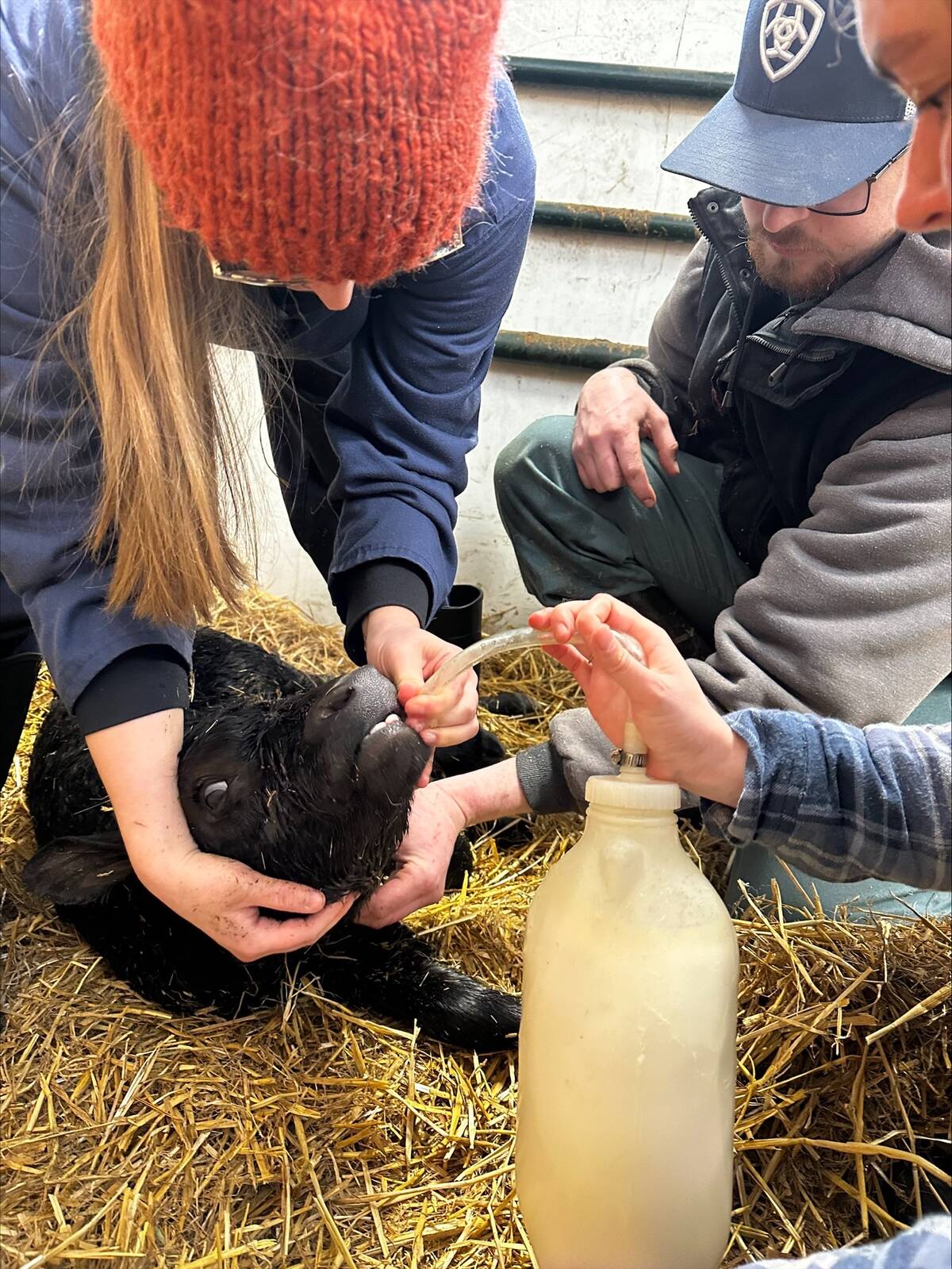
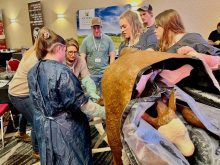
How to give premature calves their best chance at survival
An expert from the Western College of Veterinary Medicine walks beef producers through the critical steps for managing premature calves during calving season.
Producers participating in the C3SN (84 from B.C. and the Prairies and 41 from Ontario, Quebec and the Maritimes) responded to a survey. Producers were asked if they had experienced an outbreak of preweaning calf scours or pneumonia (at least five per cent of calves treated) or mortality (at least five per cent of calves died) within the past three years. Answers to additional questions regarding herd management practices were compared between those who had experienced one or more outbreaks and producers who had not.
What they learned
Outbreaks were equally common in both Western and Eastern Canada. Of the 125 producers surveyed, 24 per cent reported a scours outbreak within the past three years, 26 per cent reported a pneumonia outbreak, and eight per cent reported a mortality outbreak. Most mortality outbreaks were associated with outbreaks of scours, pneumonia or both. More than 40 per cent of herds had at least one outbreak between 2019 and 2021.
Scours
Scours outbreaks were more common in herds that calved cows and heifers together on the same pasture (practiced by 29 per cent of western and 15 per cent of eastern producers) compared to herds that calved cows and heifers on separate pastures. Scours outbreaks were also more common in herds that kept all heifers in the calving area until the end of the calving season (practiced by 14 per cent of western and 44 per cent of eastern producers).
Scours outbreaks were not more common in herds that regularly calved indoors. However, scours was more likely in herds that only brought cows indoors to calve in severe weather (practiced by 45 per cent of western and 10 per cent of eastern producers). The reason for this was unclear.
Scours outbreaks were also more common in herds that vaccinated cattle before bringing them into the herd. This does not mean vaccination causes scours. More Western Canadian herds (51 per cent) vaccinated cattle before bringing them into the herd than Eastern Canadian herds (32 per cent), but only 24 per cent of herds had a scours outbreak in either side of the country. It’s more likely herds that have had more experience with scours are vigilant about vaccinating new arrivals to manage scours. As Cheryl Waldner says, “vaccination doesn’t cause scours — but scours can cause producers to vaccinate.” Timing is also important, because adding new animals to the herd within a month of calving is a known risk factor for calf health.
Pneumonia
Pneumonia outbreaks were more likely in the 25 per cent of western and eastern herds that leased bulls for at least one season. Other research from the C3SN has shown that bulls are less likely to be vaccinated than the rest of the herd, so they may be the Trojan horse that exposes well-vaccinated herds to respiratory pathogens. Sharing bulls can also be a general indicator of greater biosecurity risks.
Mortality
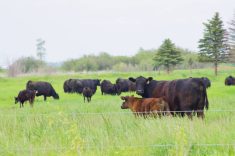
Mortality outbreaks were more likely when cows were calved in the same area they had been wintered in (as practiced by 34 per cent of western and 70 per cent of eastern herds), or when all heifers remained in the calving area until the end of the calving season (practiced by 14 per cent of western and 44 per cent of eastern herds). In contrast to what was expected, the odds of mortality outbreaks were higher when all cows and heifers were calved in a single large pasture (practiced by 43 per cent of western and 32 per cent of eastern herds). Large pastures allow cattle to spread out more (which is good), but also make sick calves harder to find and treat.
So, what does all this mean to you?
Newborn calves are vulnerable and valuable. Ensuring calf survival starts long before they’re born. Vaccinating the cow herd and meeting their nutritional needs through the winter ensures cows calve in good body condition and produce high-quality colostrum to give their calf a good start. But disease-causing pathogens are always there, and the less crowding and manure the calves are exposed to, the more likely they are to survive and thrive. Keep the calving area as clean as possible, whether that’s through avoiding calving on over-wintering areas, providing windbreaks and generous bedding, calving cows and heifers in separate areas, or moving cows and calves from the calving pasture into a nursery pasture a day or so after birth.
You can’t prevent all outbreaks simply because you can’t control the weather. The producers participating in the C3SN are progressive producers who work closely with their veterinarians and keep good records, and 40 per cent of them still experienced a scours, pneumonia and/or mortality outbreak in the past three years. But you can reduce the risk of outbreaks by controlling what you can.
The bottom line
It’s what Longview rancher Stephen Hughes calls “stacking good decisions.” Doing the right things the right way doesn’t prevent every problem every time, but it certainly helps things go better most of the time. c
Reynold Bergen is the science director of the Beef Cattle Research Council.
The Beef Cattle Research Council is a not-for-profit industry organization funded by the Canadian Beef Cattle Check-Off. The BCRC partners with Agriculture and Agri-Food Canada, provincial beef industry groups and governments to advance research and technology transfer supporting the Canadian beef industry’s vision to be recognized as a preferred supplier of healthy, high-quality beef, cattle and genetics. Learn more about the BCRC here.