

Changes to Canada’s beef traceability regulations were set to take effect in spring 2026 under Part XV of the Health of Animals Regulations, but the Canadian Food Inspection Agency has paused publication of the proposed amendments after significant pushback from cattle producers.
The complexity of the regulatory package has fuelled misunderstanding across the industry, and opposition has been vocal — including a petition launched Jan. 8 that has drawn nearly 30,000 signatures.
Read Also
When should you use a calving jack — and when should you stop?
Knowing when to reach for the calving jack — and when to put it down — can mean the difference between a live pair and a dead cow.
What’s proposed: key changes at a glance
- Require premises identification numbers (PIDs) to purchase ID tags
- Set a seven-day window to report cattle movement and arrival
- Require reporting of licence plate numbers and departure times for livestock shipments
- Allow group movement reporting (species and head count) for auction marts, assembly yards and community pastures — feedlots would still report individual tag IDs
- Require fairs and exhibitions to report livestock movements and tag unidentified animals
- Ban unauthorized selling or distribution of approved indicators
- Restrict approved identification sites to assembly points only
These changes have not taken effect. They will not be enforced until Canada Gazette, Part II is published with finalized regulations. No date has been set.
History of traceability in Canada
Traceability efforts began before the 2003 BSE crisis, as the disease spread across Europe and Canada prepared for its arrival. The system was built to identify where infected animals came from and where they went, so the Canadian market could reopen as quickly as possible.
“Without industry being at the table from day one, we may have been slapped with something that’s closer to what Europe is than what we’ve got today,” says Rick Wright of the Livestock Markets Association of Canada.
In 2011, the Cattle Implementation Plan was established at the National Cattle Traceability Summit. It was adopted in 2016 and endorsed by 19 organizations. The proposed regulations align with that plan.
In 2023, the CFIA published Canada Gazette, Part I, outlining the proposed changes and opening a comment period. The agency received 1,299 comments from 778 submitters, organized into a document titled “What We Heard”.
“There’s been talk on social media that producers and the industry have had no say in what’s going on, or been poorly represented by those people that have been at the table,” Wright says. “I take some offence to that, because there’s been some very good people at the table from industry right from day one.”
Premise identification and CLTS
Premises identification numbers link livestock to a specific land location in a standardized way. PIDs have been required in Alberta since 2010 and in Saskatchewan since 2017. As of 2025, origin and destination PIDs must appear on Saskatchewan livestock manifests.
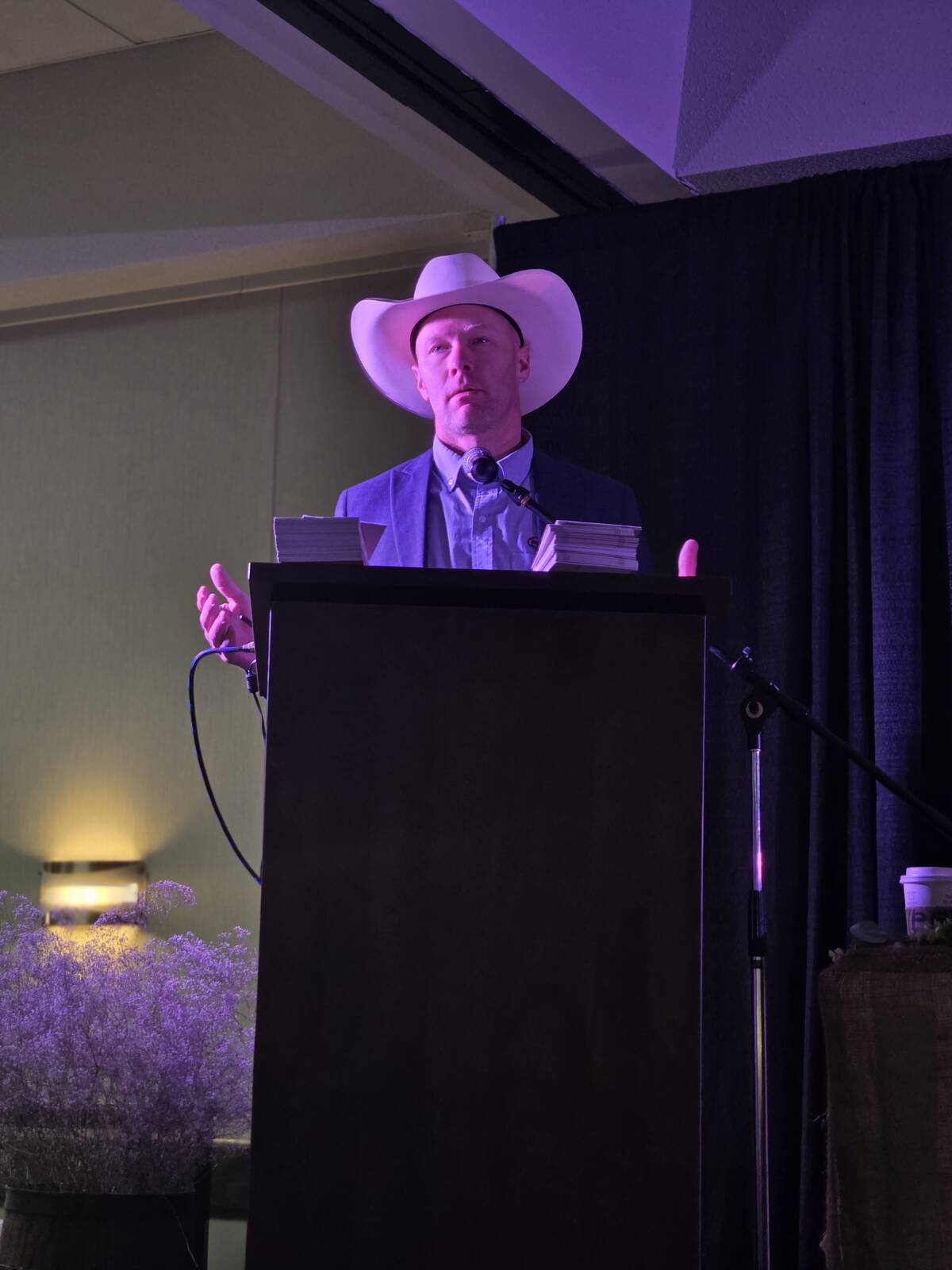
Ashley Scott, general manager of the Canadian Cattle Identification Agency, presented on the regulatory changes at the Saskatchewan Beef Industry Conference in late January. The CCIA administers the system; the CFIA regulates and enforces it.
The Canadian Livestock Tracking System interface was redesigned in 2024 to simplify data entry, and a mobile app is available. Reporting through CLTS is the preferred method, though the CCIA still accepts paper records.
“We still take them, and when we receive them, we will reach out to that client, and we’ll confirm the information. We do enter it in the system on their behalf,” Scott says.
Scott recommends producers begin familiarizing themselves with CLTS or the mobile app ahead of any regulatory changes. Step-by-step instructions are available at the CLTS Resource Centre.
Producer and industry response
Producers have raised concerns about several elements of the proposed changes: the requirement to use PIDs to purchase identification tags, the seven-day movement reporting window and the expanded role of CLTS — particularly for those without reliable internet access.
Other concerns include government overreach, the administrative burden on producers who move and sell cattle frequently, and what many see as insufficient communication from both the CFIA and producer organizations.
Some producers have said publicly they do not intend to comply.
The Canadian Cattle Association released a statement Jan. 10 recognizing producer concerns and supporting the pause. In February, CCA launched a 15-question survey for producers to share their views on the proposed amendments.
By late March, CCA announced it no longer support the proposed traceability amendments, though it continues to support livestock traceability overall for disease preparedness, market access and confidence in Canadian beef. The association said it would create a task force to pursue a risk-based, industry-led approach.
The Saskatchewan Cattle Association called for the amendments to be terminated and for reform of the CFIA. They also called for a voting seat on the CCIA board.
“As an association, we think traceability is essential, and traceability that allows the timely detection of animals is equally important.”
Robert Tremblay
Canadian Association of Bovine Veterinarians president
The Canadian Association of Bovine Veterinarians unanimously passed a motion in February supporting traceability. Robert Tremblay, president of the CABV, acknowledged concerns about reporting movements to and from veterinary clinics.
“The discussion within the profession that has been raised that I’ve heard is that certainly you wouldn’t want to put barriers in front of producers that might make them reluctant to seek veterinary care for their animals,” he says.
“As an association, we think traceability is essential, and traceability that allows the timely detection of animals is equally important.”
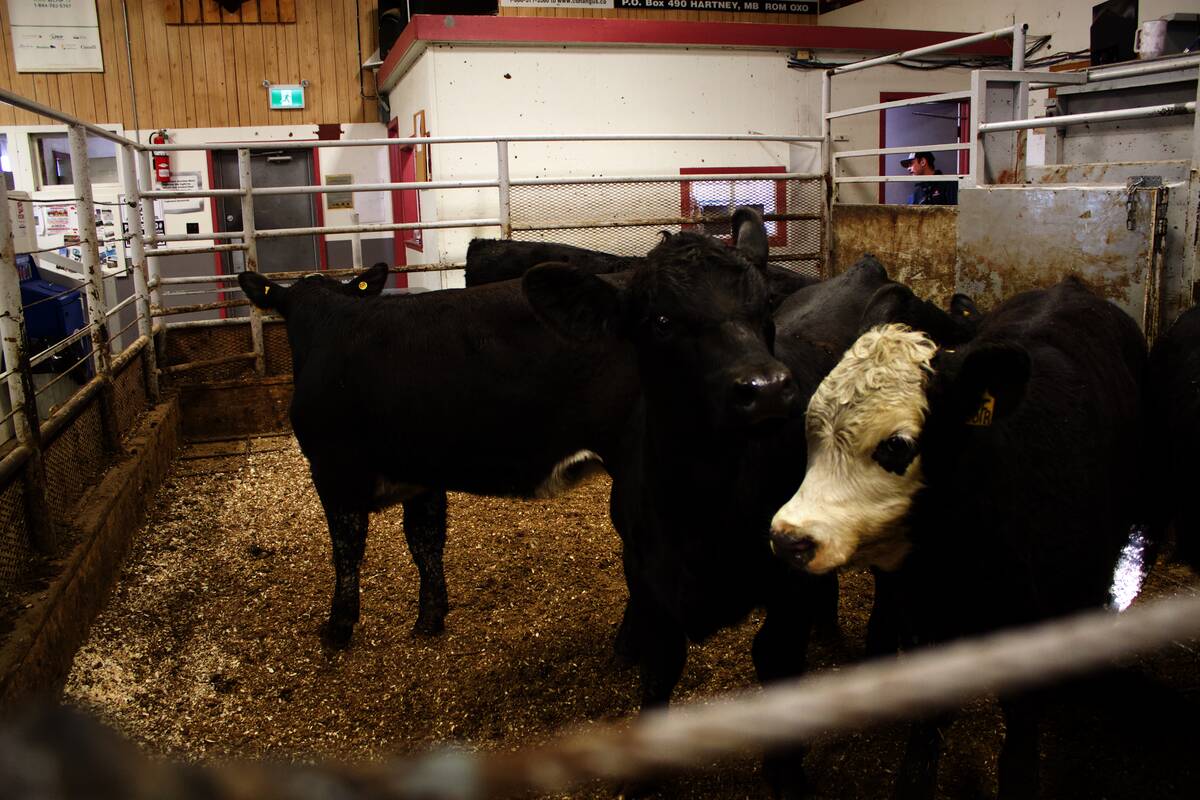
What auction marts face
Wright says LMAC understands producer concerns but believes some of the worry stems from incomplete information.
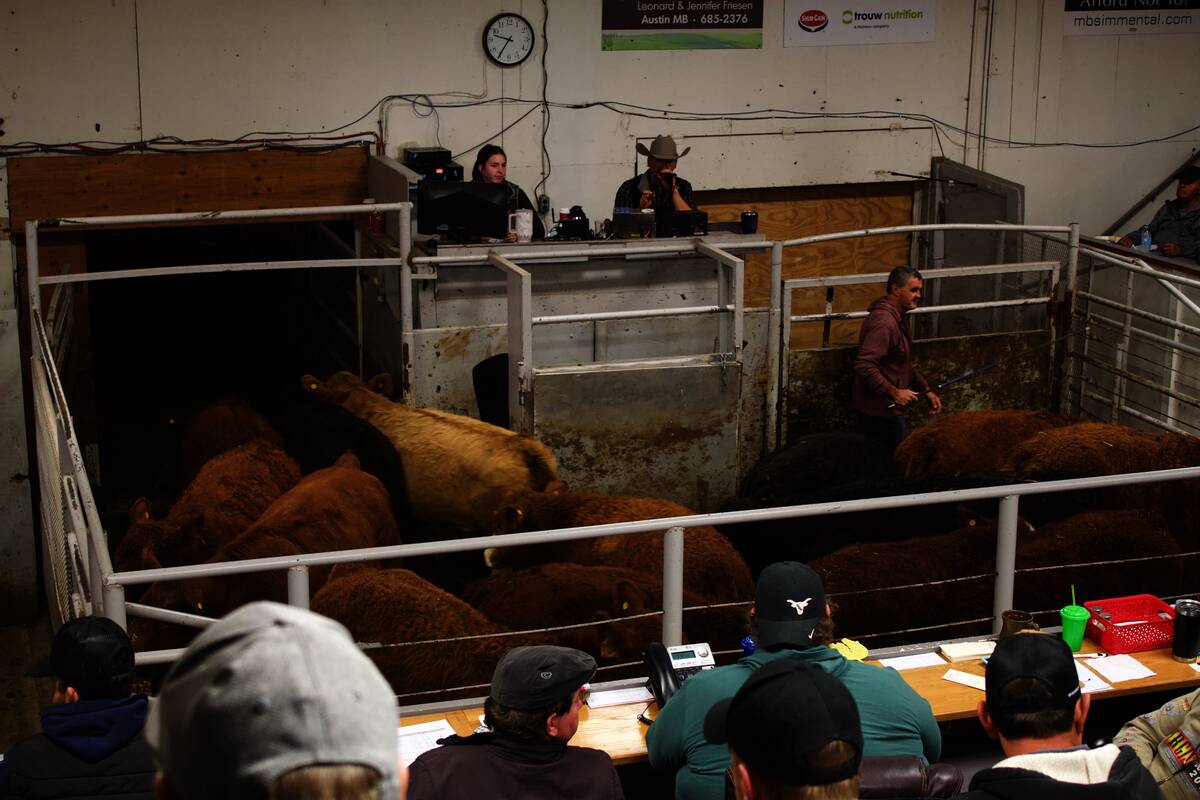
Under the proposed rules, when cattle arrive at an auction mart, the mart must report:
- PID of the departure site (provided by transporter)
- PID of the auction site
- departure and arrival dates (provided by transporter)
- number of head
- licence plate number, including province, territory or state (provided by transporter)
Producers delivering their own cattle must provide the same information.
A key gain for LMAC in the proposed amendments is group movement reporting, which would allow auction marts, assembly yards and community pastures to report species and total head count rather than individual tag numbers.
On the question of fines — which could reach $10,000 per animal for non-compliance — Wright says past experience suggests enforcement will target repeat offenders, not first-time mistakes.
“In the auction mart business, we’ve been under the microscope from CFIA on the tagging of the cattle since we started using the tags. And with all the opportunity to fine, we haven’t had that many AMPs delivered against auction marts.”
What to expect
Wright expects to see changes when Canada Gazette, Part II is published, based on both previous and recent feedback, though he stresses that nothing is certain.
“We’re expecting some positive changes from what we saw in the What We Heard document. And we had a meeting a couple of weeks ago with CFIA, and it was very productive, and it was very open communication.”
Despite the backlash, Wright says the CFIA’s work helps keep Canada open to important export markets and that maintaining a productive relationship with the agency is necessary.
Information about traceability can be found on the CCIA website and the websites of organizations, such as the Manitoba Beef Producers, Alberta Beef Producers and Saskatchewan Cattle Association, who have created space to address frequently asked questions and continue to host industry meetings and information sessions.
What producers need to know
- A single PID can be associated with multiple land locations — producers don’t need a separate PID for each pasture
- Animals moved within an operation do not need to be reported
- Death reporting within seven days applies only to tagged animals, so the tag can be retired
- CLTS reporting is preferred but paper records are still accepted
- Step-by-step CLTS instructions are available at the CLTS Resource Centre online
- Information and FAQs are available through the CCIA, Manitoba Beef Producers, Alberta Beef Producers and Saskatchewan Cattle Association websites
- Producers can contact CCA or their local representatives with questions